

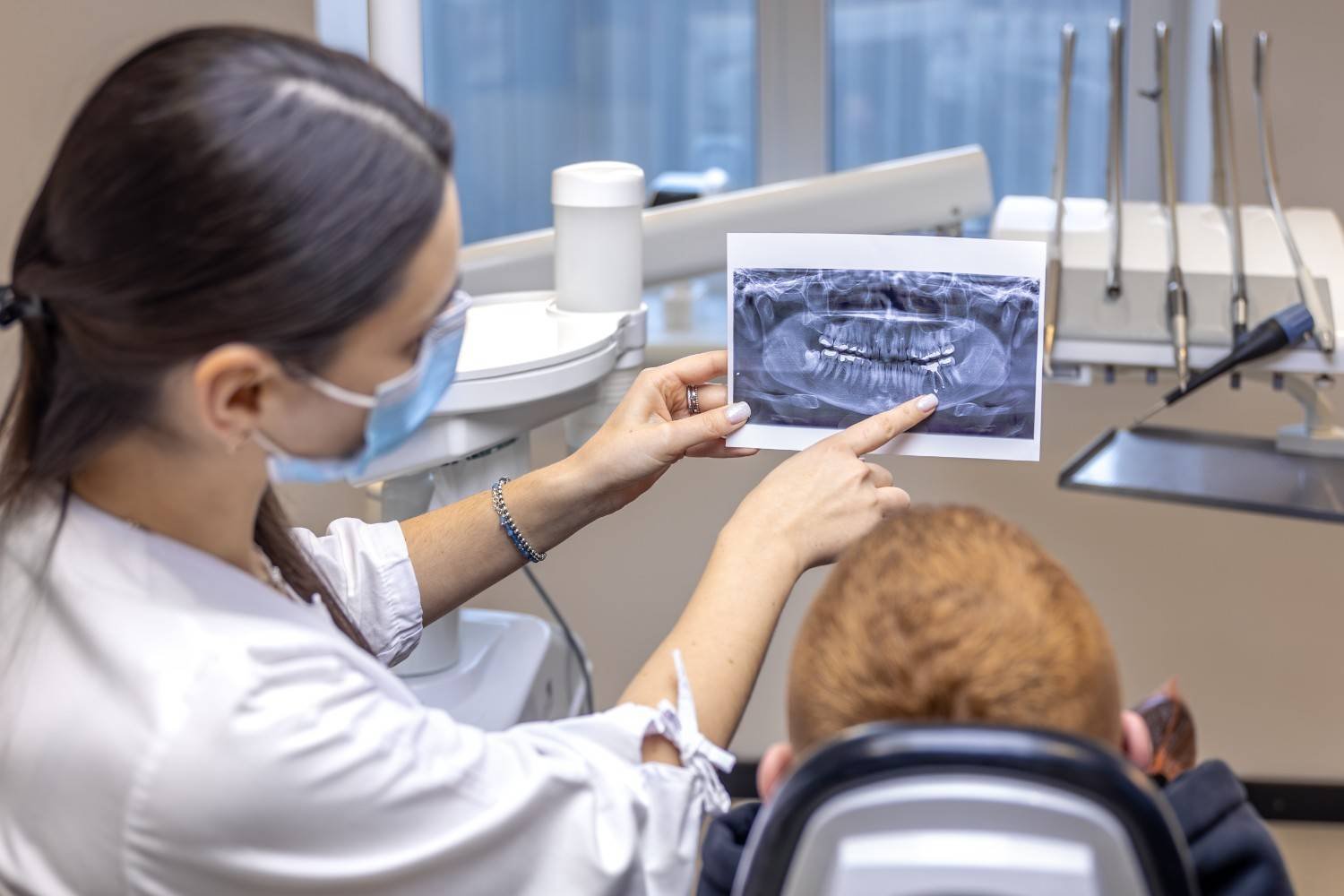
A severe gag reflex can make dental visits stressful or nearly impossible for some patients. Sedation dentistry — including nitrous oxide, oral sedation, and IV sedation dentistry Hamilton — helps individuals relax, suppress sensitive reflexes, and tolerate necessary care. For patients seeking a dentist Hamilton for routine check-ups, restorative work, or emergency dental visits, sedation options provide comfort, reduce anxiety, and enable dentists to deliver efficient treatment safely and compassionately.
For many people, a strong gag reflex isn’t just an occasional annoyance — it’s a barrier to dental care. Even routine procedures like dental impressions, X-rays, or cleanings can trigger discomfort, choking sensations, or panic. In more severe cases, patients avoid appointments entirely, leading to oral health issues that worsen over time.
At Barton Dental, we help Hamilton patients understand how sedation dentistry can transform their dental experience. From mild calming techniques to deeper sedation, sedation options — including Oral Sedation Dentistry Hamilton ON and IV sedation — make it possible for patients with a sensitive gag reflex to receive the care they need without fear or discomfort.
What Causes a Severe Gag Reflex?
The gag reflex is a protective mechanism that prevents choking by contracting the back of the throat when stimulated. Some patients have an overly sensitive reflex, triggered by:
• Dental tools touching the soft palate
• Impressions or intraoral scanners
• Tongue depressors or fingers near the back of the mouth
• Anxiety associated with dental visits
This heightened response can interfere with exams, impressions, cleanings, and restorative procedures.
Common Dental Challenges for Patients With Gag Reflex
Patients with a severe gag reflex may experience:
• Trouble tolerating dental X-rays
• Difficulty accepting impressions for crowns or orthodontics
• Problems with sedation-free cleanings
• Anxiety or panic before appointments
• Avoidance of necessary care
Without intervention, avoidance often leads to cavities, gum disease, and the need for more complex interventions later — such as root canal therapy Hamilton ON or emergency dental visits.
How Sedation Dentistry Reduces the Gag Response
Sedation dentistry helps by calming the nervous system and reducing reflex sensitivity. It doesn’t just address anxiety — it can physically ease the body’s gag reaction, making dental procedures more manageable.
Mild Sedation: Nitrous Oxide (Laughing Gas)
Nitrous oxide is a light, fast-acting sedation option that helps reduce anxiety and relax the throat muscles that trigger gagging. It’s often ideal for routine cleanings, impressions, or X-rays that typically provoke a reflex response.
Benefits:
• Quick onset and brief recovery
• Patients remain awake and communicative
• Good for mild to moderate reflex sensitivity
Oral Sedation Dentistry
Oral sedation involves taking a prescribed medication before your visit. This creates a deeper level of relaxation compared with nitrous oxide alone.
For patients with moderate gag reflex issues, oral sedation helps them sit comfortably through procedures that previously felt intolerable.
IV Sedation Dentistry Hamilton
IV sedation delivers medication directly into the bloodstream, producing a calm, semi-conscious state. Patients remain comfortable, often with minimal memory of the appointment.
This option is particularly helpful for:
• Severe reflex sensitivity
• Complex or lengthy procedures
• Patients with dental anxiety in addition to gag reflex challenges
IV sedation provides a controlled, deeper level of comfort and reflex suppression.
When a Gag Reflex Interferes With Specific Procedures
Some dental treatments are particularly challenging for patients with a sensitive reflex, such as:
Impressions and Scans
Traditional impressions can trigger gagging when trays reach the back of the mouth. Sedation allows patients to tolerate the sensation without spasm or panic.
X-Rays and Intraoral Imaging
Digital sensors placed in the mouth for imaging often prompt a reflex. Sedation reduces sensitivity, enabling the dentist to capture necessary diagnostics.
Cleanings and Periodontal Care
Even routine hygiene visits can be difficult when the gag reflex interferes. Sedation dentistry enables thorough cleaning and disease prevention without triggering reflex responses.
Restorative Procedures
Fillings, crowns, and other work often require prolonged mouth opening and manipulation near sensitive areas. Sedation supports comfort and cooperation throughout these longer procedures.
Orthodontic Impressions and Adjustments
Patients undergoing Invisalign Hamilton ON or other orthodontic treatment may struggle with impressions or adjustments. Sedation helps ease discomfort and improve tolerance.
Sedation Dentistry and Anxiety
Gag reflex sensitivity often goes hand-in-hand with dental anxiety. Sedation dentistry helps by reducing both physical reflex responses and psychological fear. This combined relief creates a positive feedback loop: less fear leads to smoother visits, which reduces future anxiety.
Safety and Monitoring During Sedation
Sedation dentistry at reputable clinics like Barton Dental includes trained professionals who monitor heart rate, breathing, and oxygen levels throughout the procedure. Whether using nitrous oxide, oral sedation, or IV sedation, safety protocols ensure comfort without compromising health.
What to Expect During Sedation Dentistry
Consultation and Assessment
Your dentist reviews medical history, medications, and anxiety levels to determine the best sedation approach. They will discuss risks, benefits, and recovery expectations.
Day of Treatment
• Mild sedation (nitrous oxide) begins with a mask
• Oral sedation involves medication taken before the visit
• IV sedation is administered through a vein and adjusted as needed
Vital signs are monitored continually.
Recovery and Aftercare
Nitrous oxide wears off quickly, often within minutes after the mask is removed. Oral and IV sedation typically require a ride home and time to recover before returning to normal activities.
Tips for Patients With Gag Reflex Beyond Sedation
Breathing Techniques and Distraction
Focused breathing and distraction tools (music, headphones) reduce awareness of triggers.
Topical Anesthetics
Applying numbing gel to sensitive areas can sometimes reduce reflex response.
Positioning and Support
Dentists skilled in managing gag reflex can adjust seating and instrument approach to minimise discomfort.
Practice and Desensitisation
Gradual exposure — such as short visits with sedation support — builds tolerance over time.
When Sedation Dentistry Is Especially Worth Considering
• You’ve cancelled appointments due to gag reflex
• Even routine hygiene causes panic or gagging
• You need extensive or multiple treatments
• You experience anxiety along with reflex sensitivity
• You want a comfortable, stress-free dental experience
Local Patient Review
“I used to dread dental visits because I couldn’t handle impressions or cleanings. With sedation dentistry at Barton Dental, everything is calm and manageable.”
FAQs About Sedation Dentistry and Gag Reflex in Hamilton
1. Can sedation eliminate the gag reflex completely?
Sedation significantly reduces sensitivity and reflex reactions, helping patients remain comfortable during treatment. However, it does not permanently change or eliminate the gag reflex.
2. Is nitrous oxide strong enough for severe cases?
Nitrous oxide is effective for mild to moderate sensitivity. For severe gag reflexes or anxiety, deeper options such as oral sedation or IV sedation may be recommended.
3. Is sedation safe for children?
Yes. When sedation is recommended and properly monitored by trained dental professionals, it is considered safe for children.
4. Will I remember anything about the procedure?
With deeper forms of sedation, such as oral or IV sedation, many patients have little to no memory of the procedure afterward.
5. Can sedation be used for routine checkups?
Yes. Mild or moderate sedation can make routine cleanings and exams more manageable for patients with strong gag reflexes or dental anxiety.
6. Is sedation covered by insurance?
Coverage varies depending on the insurance provider and plan. It’s best to speak directly with your dental office to confirm your benefits.
Comfort and Care That Makes a Difference
A severe gag reflex doesn’t have to prevent you from receiving quality dental care. Sedation dentistry Hamilton ON options — from nitrous oxide to oral or IV sedation — help patients relax, stay calm, and complete necessary treatment without distress. Whether you’re due for a check-up, hygiene visit, restorative work, or orthodontic care like Invisalign Hamilton, discussing sedation options with a compassionate dentist Hamilton ensures your care is comfortable, safe, and effective. Barton Dental focuses on personalised approaches that help every patient feel supported and confident throughout their dental journey.